

Expert Moving Tips for a Smooth Move
Moving to a new home can be exciting but also overwhelming. From packing your belongings to coordinating logistics, the process requires careful planning and organization. To help you navigate this transition with ease, here are expert moving tips that cover everything from preparation to unpacking. Following these guidelines will save you time, reduce stress, and ensure your move goes as smoothly as possible.
Essential Expert Moving Tips to Get Started
Starting early is one of the best ways to ensure a smooth move. Begin by creating a detailed moving checklist that outlines every task you need to complete before, during, and after the move. This list should include:
Sorting and decluttering your belongings
Gathering packing supplies like boxes, tape, and bubble wrap
Scheduling your moving company or rental truck
Notifying utility companies and changing your address
Packing smart is another key tip. Use smaller boxes for heavy items like books and larger boxes for lighter items such as linens. Label each box clearly with its contents and the room it belongs to. This will make unpacking much easier.
Additionally, keep important documents, valuables, and essentials like medications and chargers in a separate bag that you carry with you. This prevents them from getting lost in the shuffle.

What to Not Let Movers Pack?
Knowing what items to keep out of your movers’ hands is crucial for safety and liability reasons. Here are some common things you should never let movers pack:
Valuables and personal documents: Jewelry, passports, birth certificates, and cash should always be kept with you.
Perishable food: Movers are not responsible for spoiled food, so consume or donate perishables before moving day.
Hazardous materials: Items like paint, propane tanks, cleaning chemicals, and batteries are prohibited.
Plants: Many moving companies do not transport live plants due to regulations and fragility.
Pets: Always transport pets yourself to ensure their safety and comfort.
By handling these items personally, you avoid potential damage or loss and keep your move compliant with moving company policies.
Packing Strategies for Fragile and Valuable Items
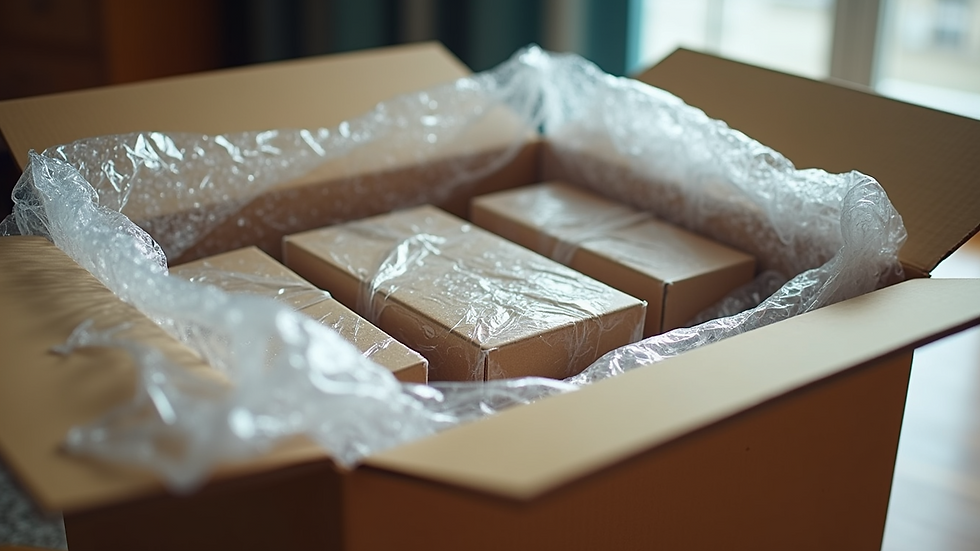
Fragile items require extra care during packing to prevent damage. Use plenty of cushioning materials such as bubble wrap, packing paper, or foam peanuts. Wrap each item individually and place them in sturdy boxes with dividers if possible.
For glassware and dishes, pack vertically rather than stacking flat. Fill any empty spaces in the box with soft materials to avoid shifting during transport.
When it comes to electronics, remove batteries and pack cords separately. Use original packaging if available, or wrap devices in anti-static bubble wrap.
Label fragile boxes clearly and inform your movers so they handle these with care.
Tips for Moving Day to Stay Organized and Stress-Free
On moving day, staying organized is key. Here are some tips to keep things running smoothly:
Be ready early: Have everything packed and ready before the movers arrive.
Keep essentials accessible: Have a bag with snacks, water, phone chargers, and important documents.
Supervise the loading: Be present to answer questions and ensure items are handled properly.
Do a final walkthrough: Check every room, closet, and cabinet to make sure nothing is left behind.
Confirm delivery details: Double-check the new address and contact information with the movers.
Having a calm and positive attitude will also help reduce stress and keep the day on track.
Settling In: Unpacking and Organizing Your New Home
Once you arrive at your new home, unpack strategically to avoid feeling overwhelmed. Start with essential rooms like the kitchen and bedrooms. Set up beds and basic kitchen items first so you can rest and eat comfortably.
Unpack one room at a time and dispose of packing materials as you go to keep your space tidy. Use this opportunity to organize your belongings thoughtfully, placing items where they make the most sense for your daily routine.
If you labeled your boxes well, this process will be much faster and less frustrating.
For additional moving advice, consider consulting professional resources or hiring organizers to help you settle in efficiently.
By following these expert moving tips, you can transform a potentially stressful experience into a smooth and manageable process. Preparation, smart packing, and staying organized on moving day are the keys to success. With the right approach, your new home will feel welcoming and comfortable in no time.


Comments